White Varieties
Riesling, Rivaner, Pinot Blanc, Goldriesling
World famous as the homeland of Riesling, German wine regions are now enjoying a new era of quality winemaking, proving that Germany is so much more than a country that just produces sweet wines.
With 2,000 years of viticulture under its belt, Germany has become a leader in winemaking technology and meticulous vineyard work. It has a cool, wet climate that allows for long, slow ripening seasons, resulting in characterful, food-friendly vinos with pronounced flavours and high acidity. This idyllic ecological balance also means that grapes can have a high natural sweetness, allowing winemakers to produce those delicious sweet wines Germany has always been so famous for. Today, a new generation of ambitious winemakers, who have traveled the world in search of inspiration, are not only turning out some of the finest dry white wines you’ll find on the planet, but also exquisite Pinot Noirs and crisp sparkling wines.
Riesling is the most popular German wine grape type and is made both in dry (trocken) and sweet styles. As far as red wine is concerned, Pinot Noir dominates and is known here as Spätburgunder.
Deutscher Tafelwein or Deutscher Wein is the lowest classification of table wine. Landwein is table wine from one of 19 specified areas so basically the German equivalent to Vin de Pays in France.
Quality wines that hail from one of 13 specified regions are known as Qualitätswein. Another level above this is Prädikatswein which are further classified according to the level of ripeness of the grapes when harvested. The types of Prädikatswein are:
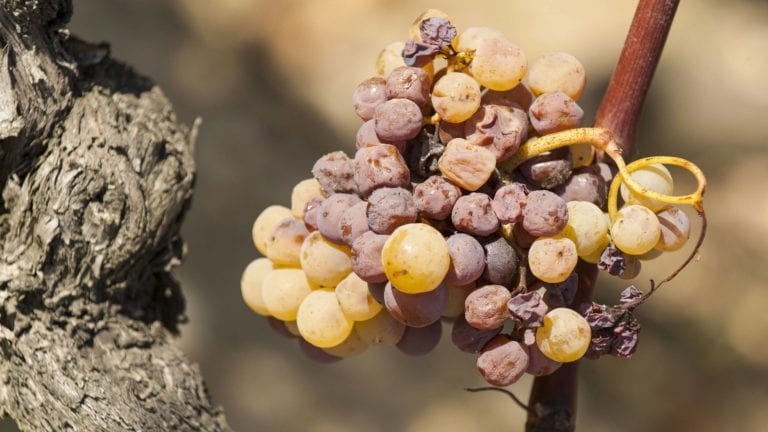
Eiswein, or Ice-wine is a type of Beerenauslese made from frozen grapes. This results in a wine with intensively concentrated pure fruit flavours.
Sparkling German wine is known as Sekt. German Sekt can be made from any local grape variety using either the tank or traditional method. High quality examples are called Winzersekt. These sparkling wines must be made by the traditional method using a single variety (usually Riesling), and be aged on lees for at least 9 months.
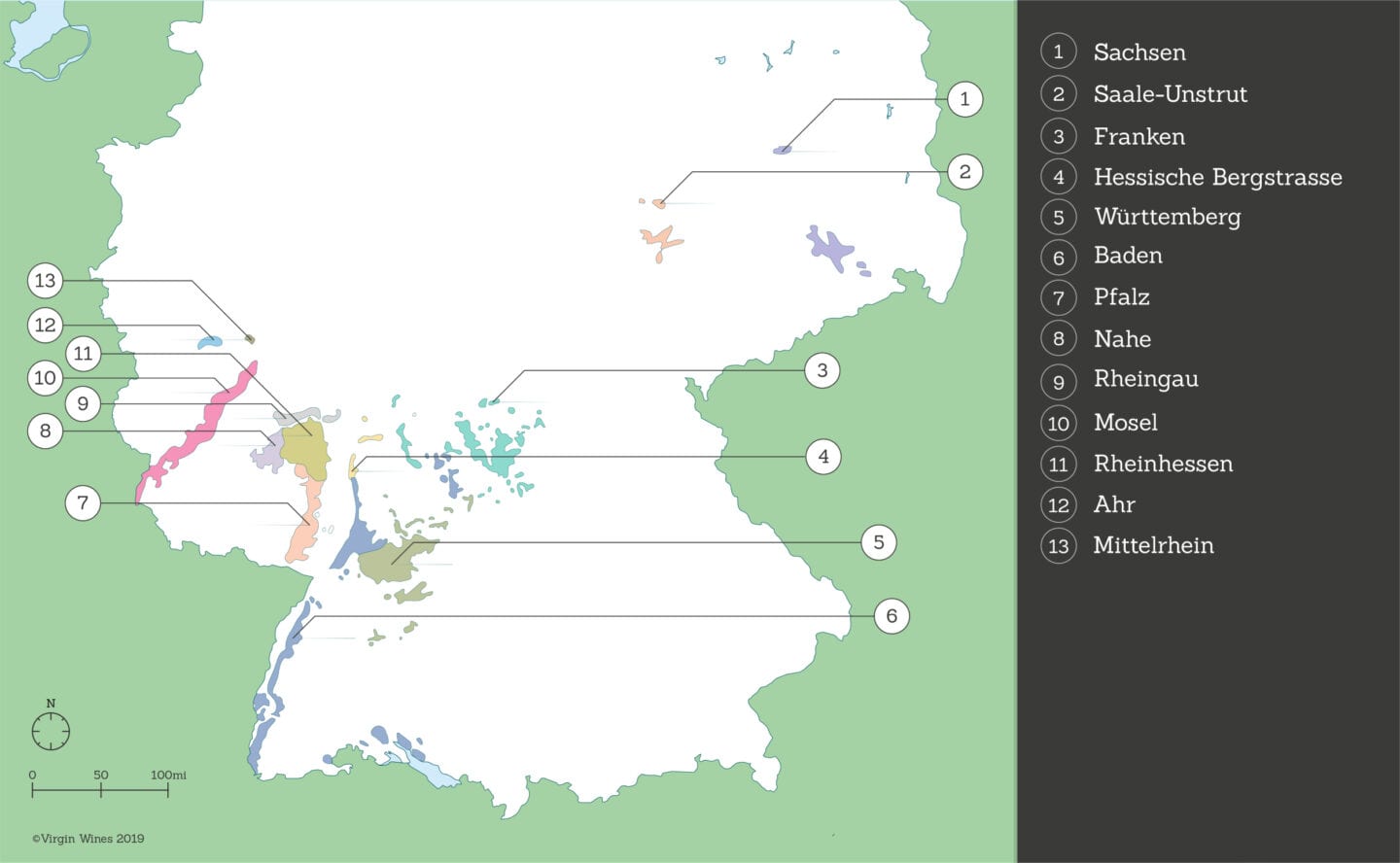
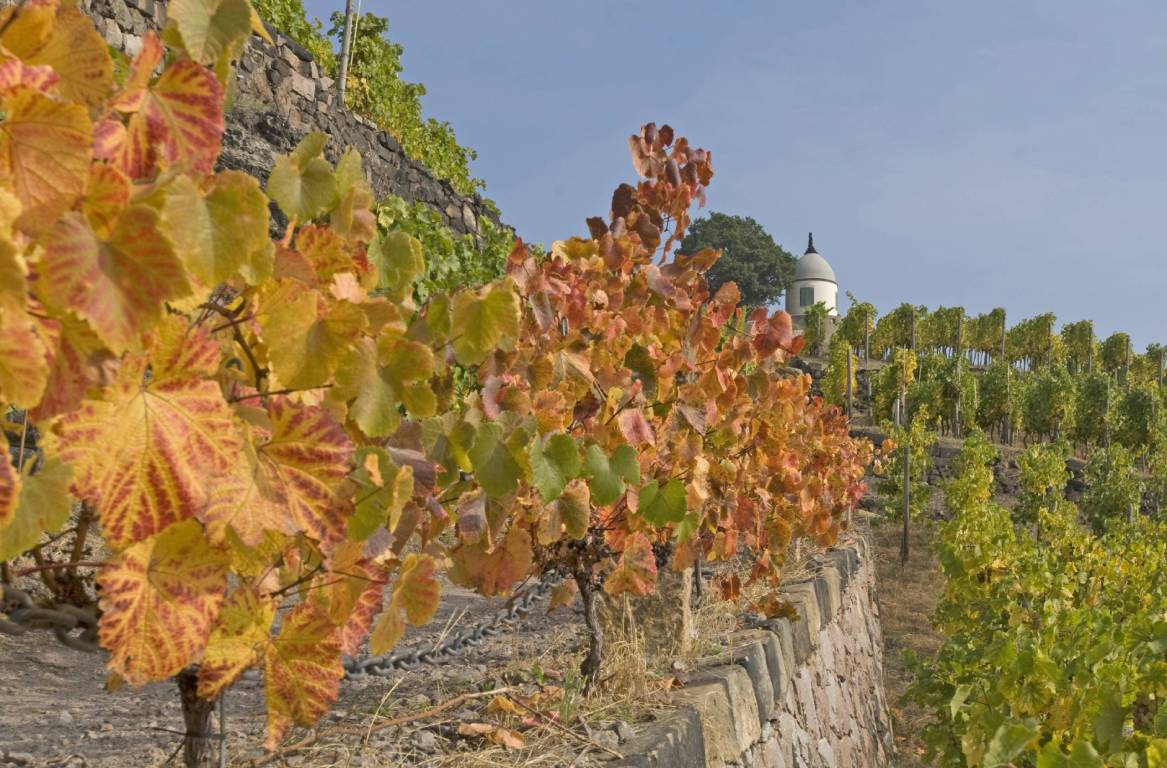
Sachsen is Germany’s most easterly wine region, renowned for producing world-class Gerwurztraminer. Covering just 462 hectares, it’s one of Germany’s smaller wine growing areas, yet cultivates an impressive array of grape varieties. Riesling and Pinot Noir being the most recognised names. Most fine wines produced here are consumed locally, so it’s a real treat if you can track down a bottle outside of Germany!
Given its northerly location, you’d expect Sachsen to have a cool climate. Yet the valleys of the Elbe River help to soften temperatures, creating moments of warmth and a continental feel. Wines made in this region are also shaped by the Elbe, as its weathered granite soils and geological makeup influence the grapes.
Riesling, Rivaner, Pinot Blanc, Goldriesling

Cool

Sloping sites
Granite, gneiss, loess, sand
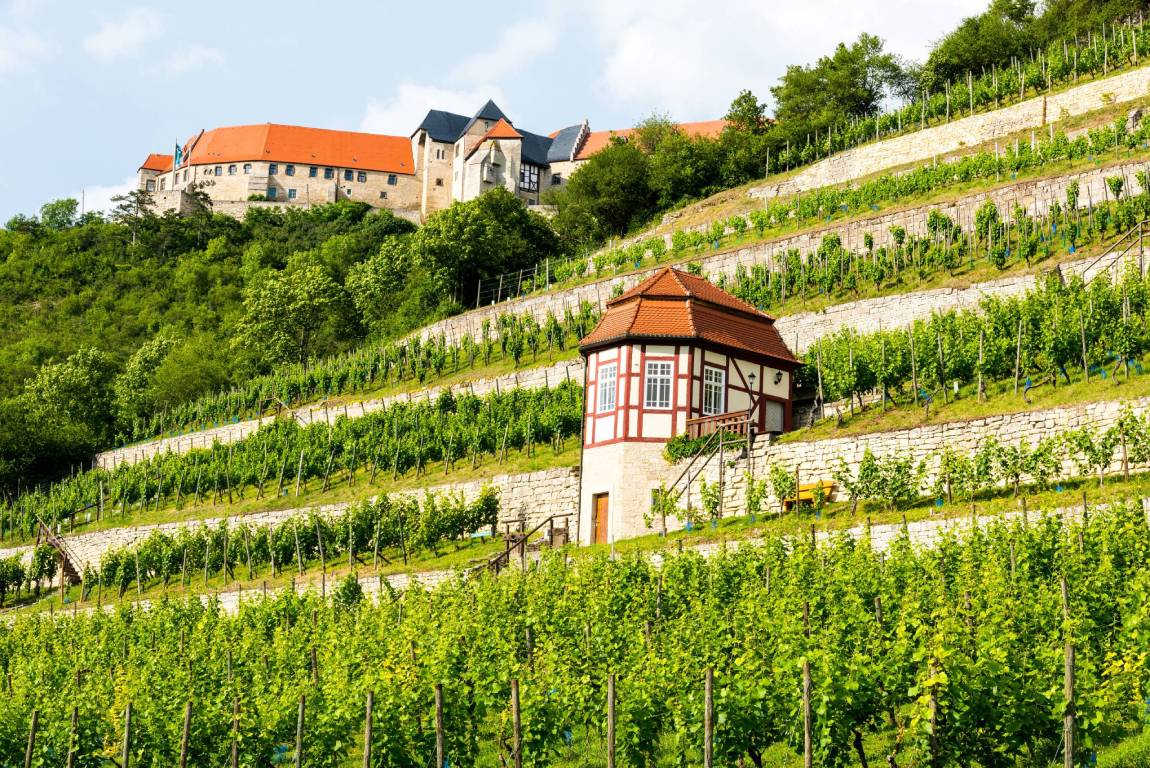
Saale-Unstrut is a small and humble, traditional wine region that’s gaining some serious traction across Europe. Known for its crisp, dry fine white wines, the area is named after the Saale and Unstrut rivers that run through the heart of its vineyards. With the first vines being planted way back in AD 998, it’s certainly one of Germany’s oldest regions, giving the wines a romantic old world feel.
This appellation is one of the most northerly in the whole of Europe, meaning it experiences cooler temperatures than other parts of Germany. Weather conditions can be harsher and difficult to predict, so winemakers use stone in their vineyards to conduct and hold heat to counteract the cold spells. Cool climate regions like Saale-Unstrut are more suited to producing crisp whites with high acidity.
Pinot Blanc, Rivaner, Silvaner
Cool
Hilly
Shell limestone, sandstone, loess-loam, copper slate
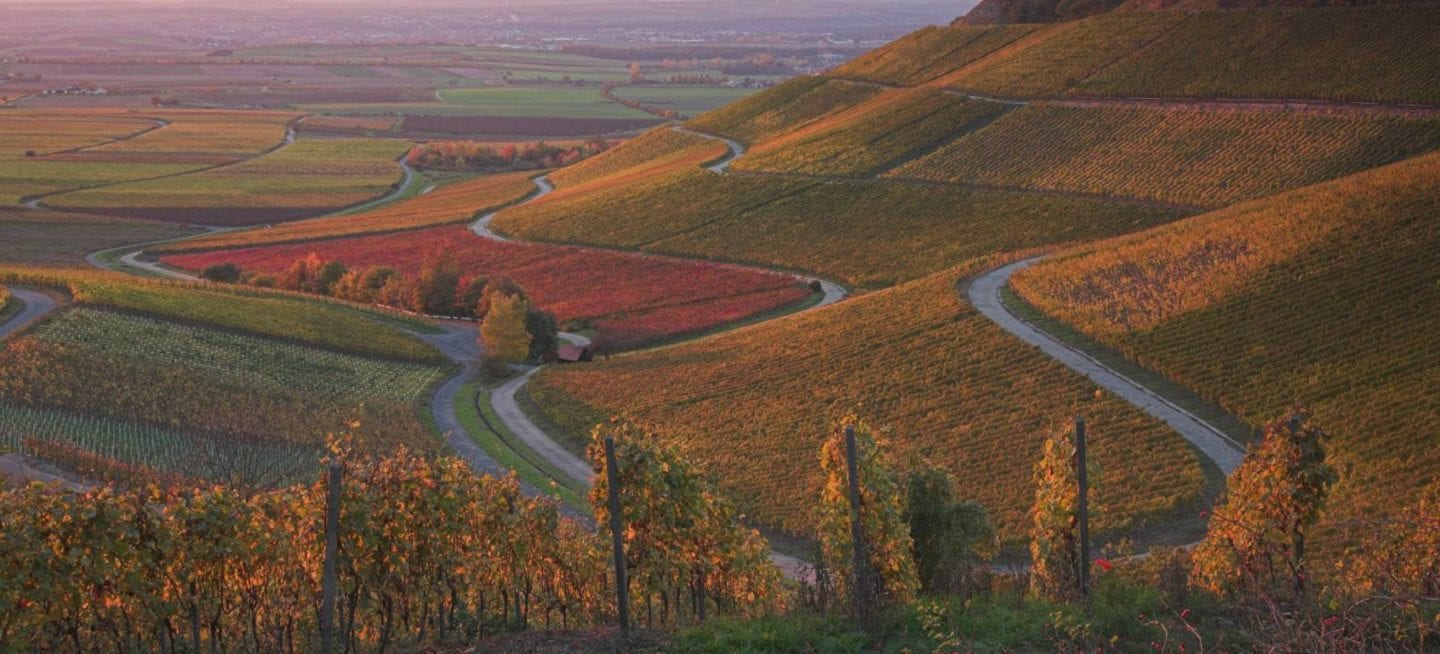
Franken may be one of Germany’s smaller wine regions, but what it lacks in size it makes up for in quality. Dating back to the 1300s, the best vineyards here are planted on steep, fossil-laden, chalky slopes, enabling winemakers to grow the highest quality vines. Cold winters, high rainfall, and early morning frosts result in beautiful late-ripening Riesling, although the main white grape variety here is Silvaner. The dominant red is Domina, a spicy variety which is almost completely unique to this part of Germany and, along with Silvaner, has become synonymous with Franken. Wines here tend to be dry and full bodied, with delicate fruit flavours and earthy undertones.
Franken’s climate is continental with a Mediterranean influence. The winter months can be harsh, so vineyards are planted between the hills of the river to shelter the crops from strong gusts of wind. Alluvial soils in the east are rich in potassium and extremely fertile, while the chalky slopes drain excess water from heavy rainfalls very quickly – all fantastic for producing those high quality wines we’ve come to expect from this region.
Pinot Noir, Domina
Riesling, Rivaner, Bacchus, Silvaner

Continental
Hilly
Alluvial, sandstone, rock, shell-limestone
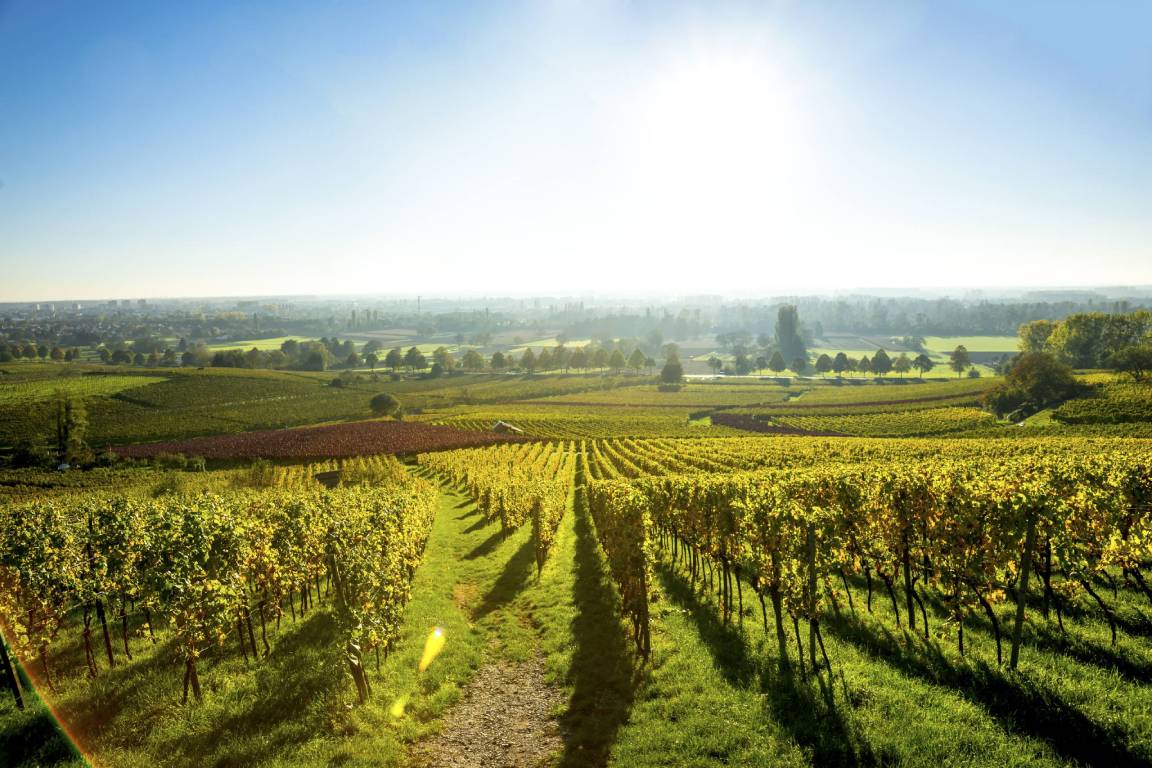
Known as ‘Germany’s Spring Garden’, the Hessische Bergstrasse region is beautiful and full of life. Orchards, and almond and cherry trees blossom here, along with grapevines. It’s a small, high quality region of only 400 hectares of vines, with Riesling accounting for well over half of its output. Most wines produced here are dry, including varieties such as Pinot Gris and Blanc, although Hessische Bergstrasse also takes full advantage of its cool climate by making a lot of delicious sweet Eiswein too (see How Is Sweet Wine Made for more info). In terms of red, it’s Pinot Noir that remains the star, known across Germany for being wonderfully earthy and fruity.
This charming region is one of Germany’s cooler wine growing areas. The icy conditions in the cooler months are turned into an advantage by winemakers, who work in harmony with the frosty weather to create luscious naturally sweet wines, known locally as Eiswein (think ‘Ice Wine’). Grapes are left on the vine until the weather drops, then harvested while frozen. The ice crystals break away when the grapes are crushed, leaving juice with a super high concentration of sugar for mouth-wateringly rich dessert wine! Greatly weathered-granite soils are typical here, aiding healthy vine root growth, essential for plants that have to contend with trickier weather conditions.
Pinot Noir
Riesling, Rivaner, Pinot Gris, Silvaner
Cool
Hilly
Granite, sand, loess-loam, porphyry-quartz
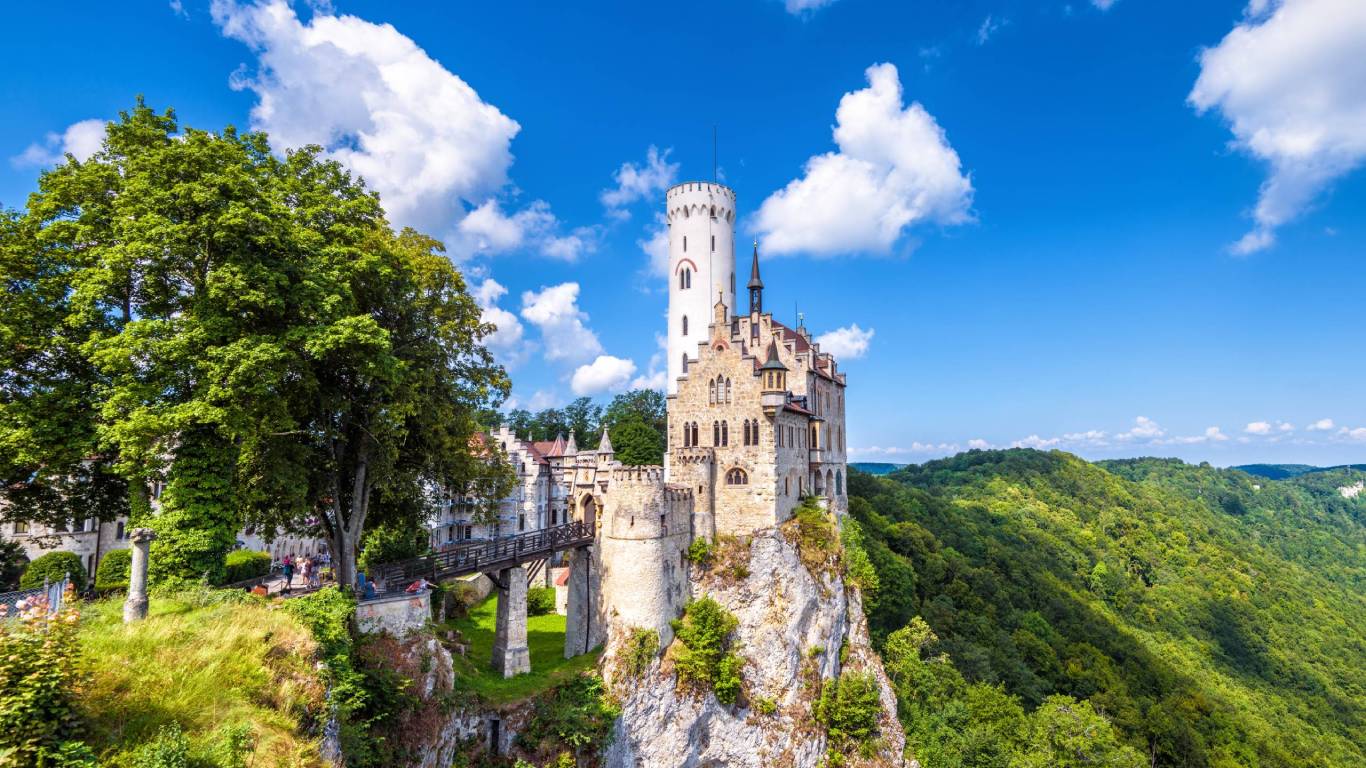
A rural region neighbouring the famous Baden appellation, Württemberg stands out from the crowd for being one of the few German regions where red wines dominate. Although Riesling still holds its own as their biggest white grape variety, black grapes garner most of the limelight with almost 70% of all wines being red. From light, red fruit flavoured vinos to darker, full-bodied ruby reds, Württemberg has proven itself to be a favourite for those who prefer black grape varieties.
Württemberg experiences mild temperatures thanks to the protective Black Forest canopy and sunlight bouncing off the surface of the Neckar River. This warmth allows black grapes to thrive, producing flavoursome red wines with an acidic character. A variety of soil types exist here that work well for viticulture.
Pinot Meunier, Lemberger
Riesling, Kerner
Cool
Hilly
Loess-loam
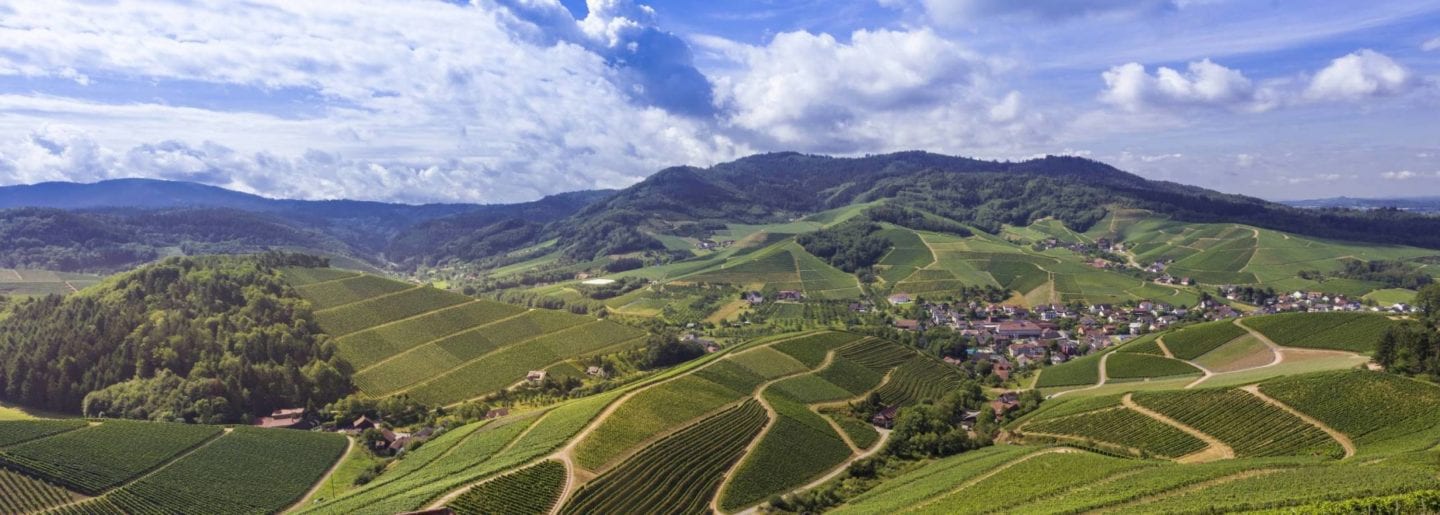
Nestled in the mountainous southwest of Germany, Baden is known for its picturesque evergreen scenery and its incredible, food-friendly wines. With over 15,000 hectares of vines, this is the third largest wine region in Germany. Key grape varieties here are the usual suspects – Pinot Noir and Riesling, with a bit of Silvaner and Gutedel too. By far the longest German wine region, Baden runs along the bank of the river Rhine, producing an impressive variety of flavoursome full-bodied wines throughout its nine individual districts. Wines here tend to be have a high alcohol content – be warned!
Neighbour to Switzerland and Alsace in France, Baden is Germany’s southernmost region, and its warmest. Running along the Rhine, Baden stretches 400km through the Black Forest and across the volcanic mountains of Kaiserstuhl. Soils typically contain shell-limestone, meaning they’re rich in calcium and have incredible water retention for growing thirsty vines.
Pinot Noir
Riesling, Silvaner, Gutedel, Pinot Gris, Pinot Blanc

Moderate

Mountainous
Shell-limestone, loess-loam, granite, clay, sand
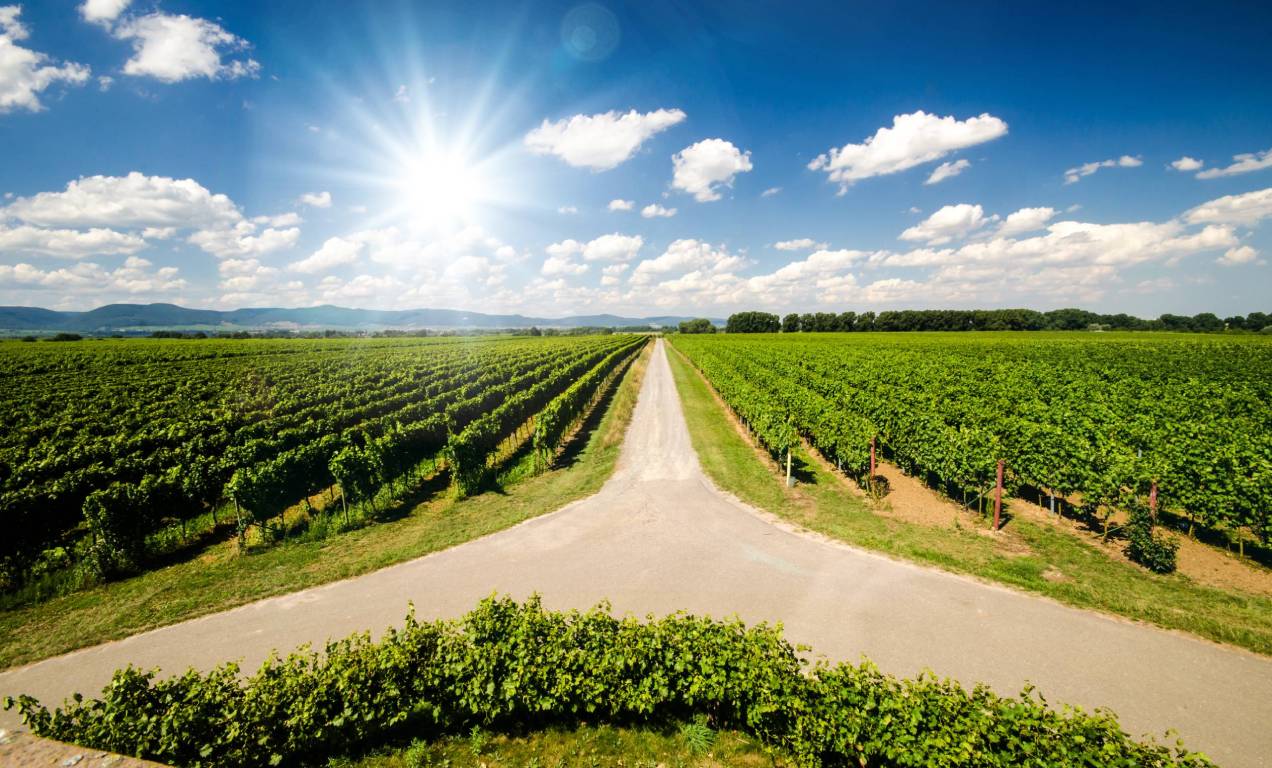
Derived from the Latin word for ‘palace’, Pfalz is a scenic wine region with a peaceful landscape. Second only to Mosel in its Riesling plantings, this key wine producing appellation is home to around 10,000 vine growers. It’s known for turning out Germany’s most famous varieties, including Pinot Noir and Rivaner, and naturally sweet grapes such as spicy Gewürztraminer, Muscat, and Scheurebe also do well here thanks to the warm temperatures. A truly picturesque region of flourishing vineyards and quaint villages, sunny Pfalz is a wine lover’s dream.
Being one of Germany’s warmest regions, Mediterranean fruits common in Italy, such as lemons and figs, grow in Pfalz. Loam soil is typical of this area, which is renowned for being fantastic for plant growth – no wonder winemakers in this iconic German region produce such high quality wines! Loam allows pockets of air and water to sit between its particles, which vine roots feed on and thrive.
Pinot Noir, Portugieser
Riesling, Rivaner
Moderate
Flat
Sandstone, limestone, marl, loess-loam, granite, slate
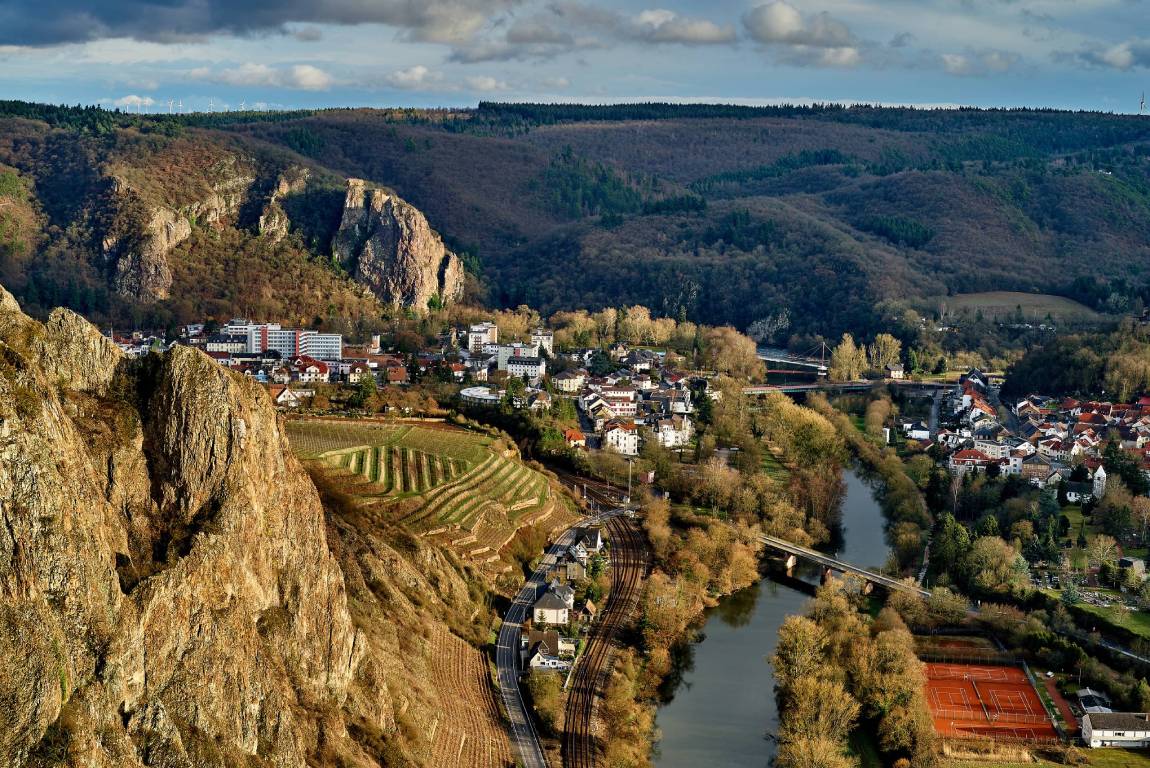
Nahe is another big player when it comes to the mighty Riesling, with 75% of all vines across the region growing the celebrated variety. This mountainous area with its rolling hills produces some absolutely beautiful wines, including the Pinots (Blanc, Gris and Noir) and Silvaner, although it can be difficult to get your hands on a bottle outside of Germany. Nahe Riesling has a light spiciness and smooth finish, while Silvaner grown in the flatter foothills is floral and fragrant.
The river at the heart of the Nahe region creates a moderate climate for grape cultivation. The riverside valleys have a range of microclimates, allowing winemakers in this appellation to plant a diverse variety of grape types. The south of the region, for instance, is much warmer with a Mediterranean feel – perfect for red grapes like Pinot Noir that enjoy a little extra warmth. Soils also vary hugely here, from exceptionally fertile volcanic igneous rock, to heat-retaining slate and nutrient-rich clay.
Pinot Noir, Dornfelder
Riesling, Rivaner, Silvaner, Pinot Blanc
Moderate
Mountainous
Igneous, sandstone, clay, limestone, slate
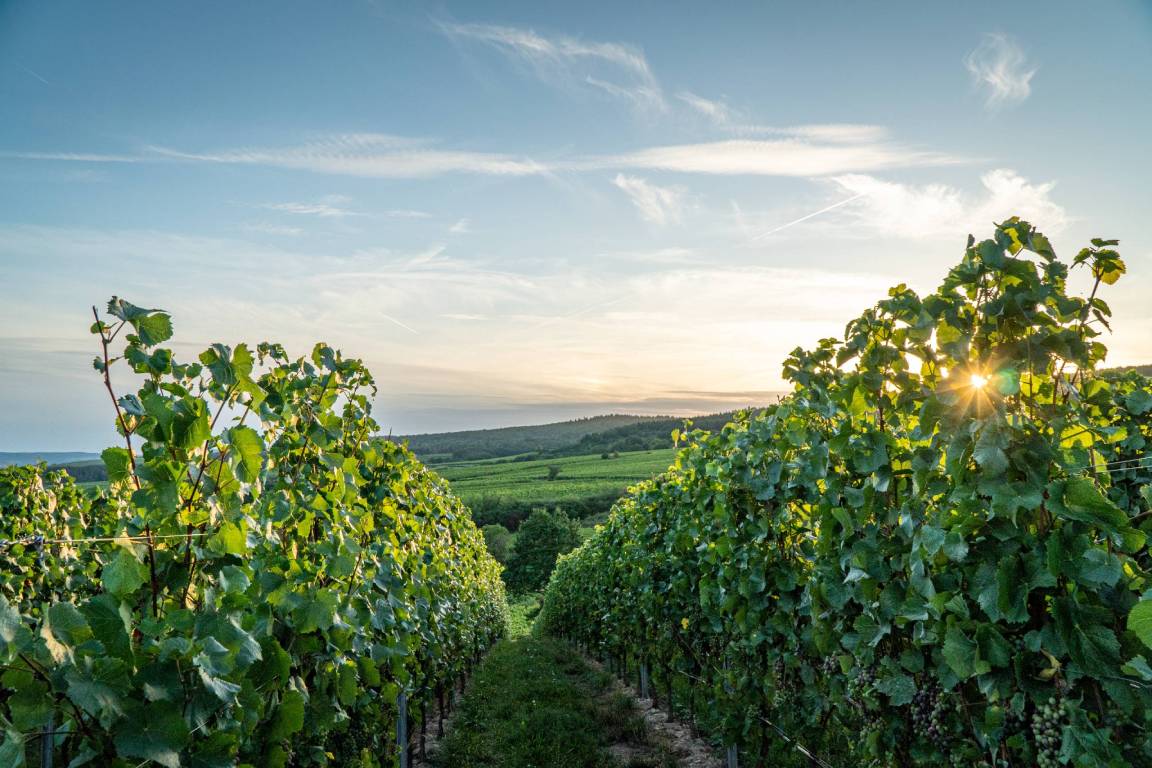
Rich in tradition, Rheingau is one of Germany’s most distinguished wine regions. History lovers and wine enthusiasts unite in this key appellation filled with ancient Roman castles and monasteries. Riesling and Pinot Noir (known locally as Spätburgunder) are the two grape varieties that dominate over any others, and oak barrels are often used for ageing Riesling. A few dynamic winemakers in this historic region have introduced non-traditional grape varieties to their vineyards, which may be worth keeping an eye out for.
Rheingau has a fairly moderate climate, with warm summers and mild winters. Vineyards range in altitude from flat plains in the east to steep slopes in the west. Heat and sunshine reflects off the surface of the river Rhine and onto the surrounding vineyards, while the forest-capped Taunus Hills shelter the vines below from harsh winds. Loamy, granite soils here are ideal for Riesling, producing grapes that are rich in fruity, citrus notes.
Pinot Noir
Riesling
Moderate
Sloping sites
Chalk, sand, gravel, clay, loess, slate, granite
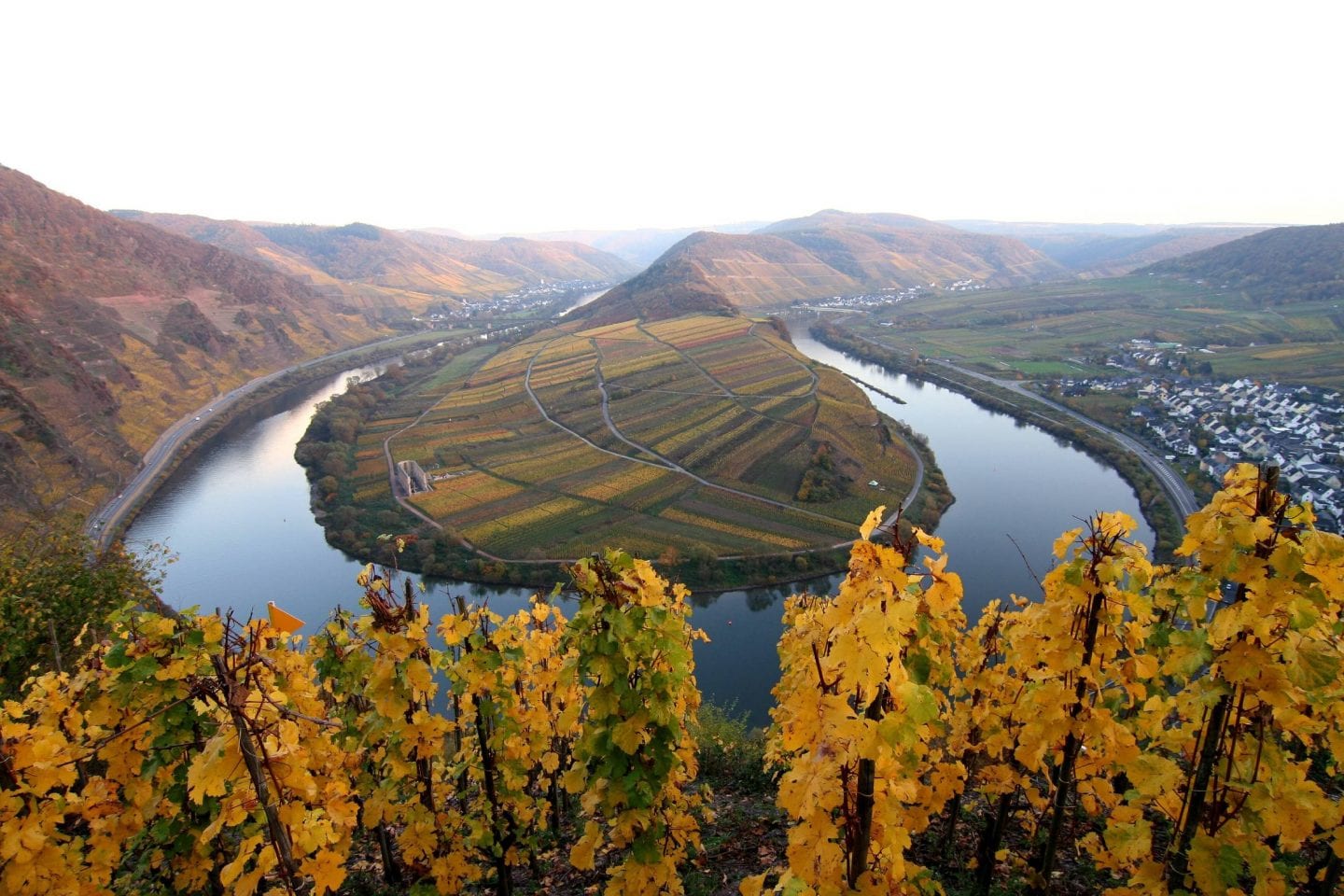
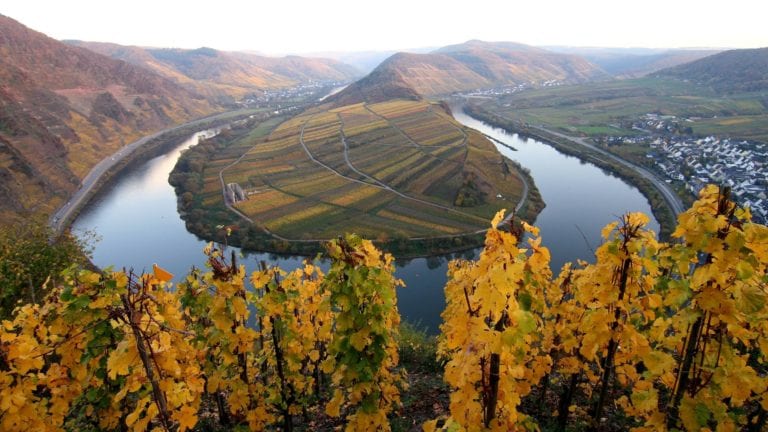
Known for its steep slopes overlooking Mosel River, this is Germany’s third largest wine producing appellation. The first vines in Mosel were planted by the Romans, with Germany’s most famous variety, Riesling, first being planted in the Middle Ages. This region stretching 100 miles along the river valley gets more sunshine than any other area in the country, meaning winemakers are able to grow grapes to extreme ripeness, resulting in high levels of natural sugar and notes of mango, banana and other tropical fruit flavours. This sweetness is balanced with a minerality and high acidity that’s become the trademark of Mosel wines.
Mosel is home to Calmont, the steepest vineyard on record in the world, with a 65 degrees incline! The slate soils not only add minerality to the grapes, they also retain heat from the sun at night. Sloping sites and warm soils enable vines to penetrate the soil for up to 27 feet, which is why Riesling from this region can have such a strong mineral nuance.
Riesling
Moderate
Sloping sites
Slate
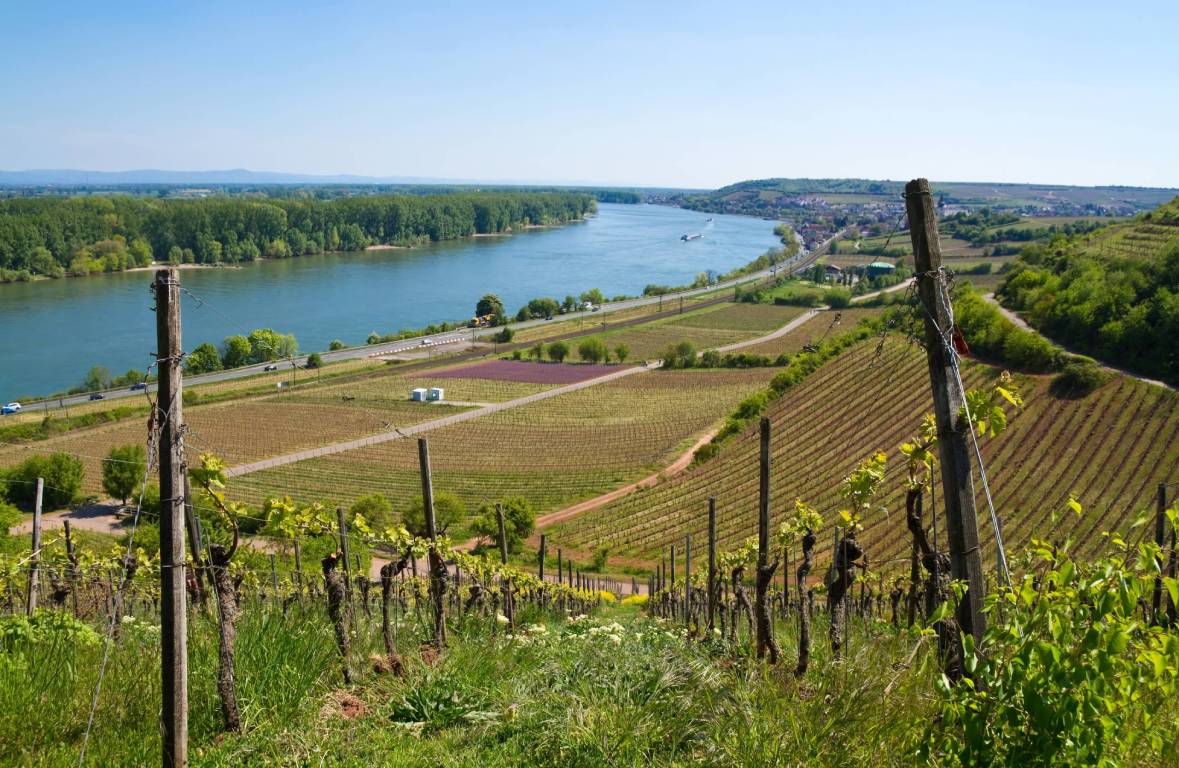
Germany’s largest wine region, and a hot spot for the young, dynamic producers making their mark on the German wine industry. Rheinhessen sits on the west bank of the Rhine, and is often referred to as the “land of a thousand hills”. Outstanding Riesling grows on the quaint forested valley hills that are reminiscent of Switzerland. Pinot Blanc and Pinot Noir are other notable varieties from this region, although Rheinhessen is perhaps best known for having the largest planting in the world of the ancient grape variety, Silvaner. The style and complexity of Silvaner from this region is undeniably hard to beat. Producing outstanding wines, from both old grape varieties and new, it’s a region that should be on every wine enthusiast’s radar.
Like most of Germany, this famous appellation is home to idyllic steep sloping vineyards covering a range of soil types, meaning those ambitious new generation winemakers have a lot to play with. From limestone and loam, to red slate and clay on the riverbanks, Rheinhessen has a variation in soils that allows many different styles of grape to be grown. Vines here rarely have to contend with extreme temperatures, as the climate is fairly mild.
Pinot Noir
Pinot Blanc, Riesling, Silvaner
Mild
Hilly
Loess-loam, limestone, sand, gravel, clay
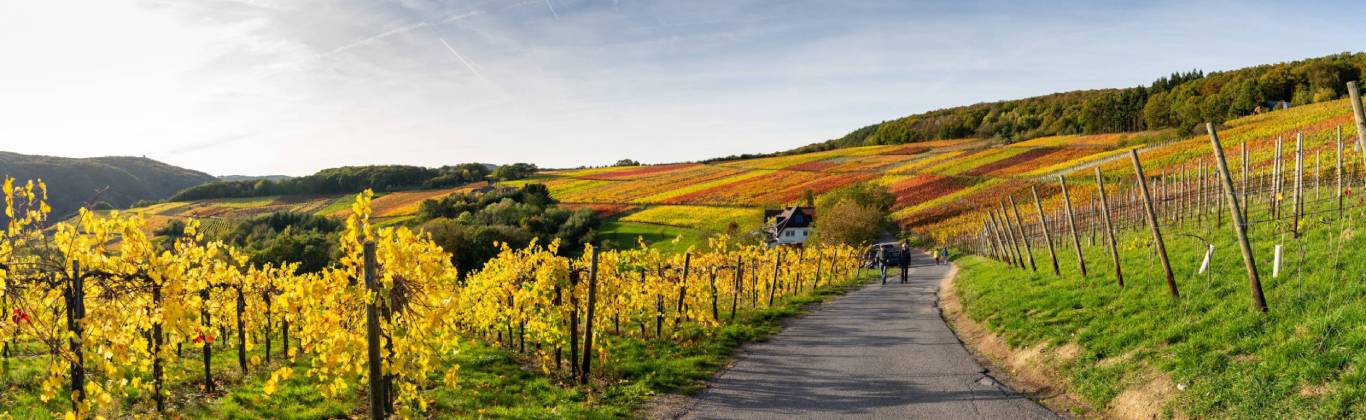
Riesling is the top white grape variety in the small but mighty Ahr region. But, unlike most of Germany, this area is actually more known for its reds. In fact, it’s the largest red grape growing region in the entire country, thanks to the warm microclimate that exists here. Pinot Noir (known locally as Spätburgunder) is the king of reds, along with its early-ripening cousin, Frühburgunder. The warmth created by the soil and landscape create a perfect hotspot for black grapes, and fruitful red varieties such as Portugieser really thrive here.
The vineyards of Ahr run along the valley of the Ahr River. Referred to as “red wine paradise”, this area is one of Germany’s most northerly wine regions. Ahr benefits from mild temperatures, despite its northern location, and a Mediterranean style climate that’s great for red grape varieties. The soil in this region tends to be slate and rock, with some volcanic stone found in the middle Ahr Valley. Slate is essential for viticulture in this region as it retains heat from the sun, while the volcanic ash holds water.
Pinot Noir, Portugieser, Frühburgunder
Riesling
Moderate
Riverbank locations
Slate, volcanic, rock
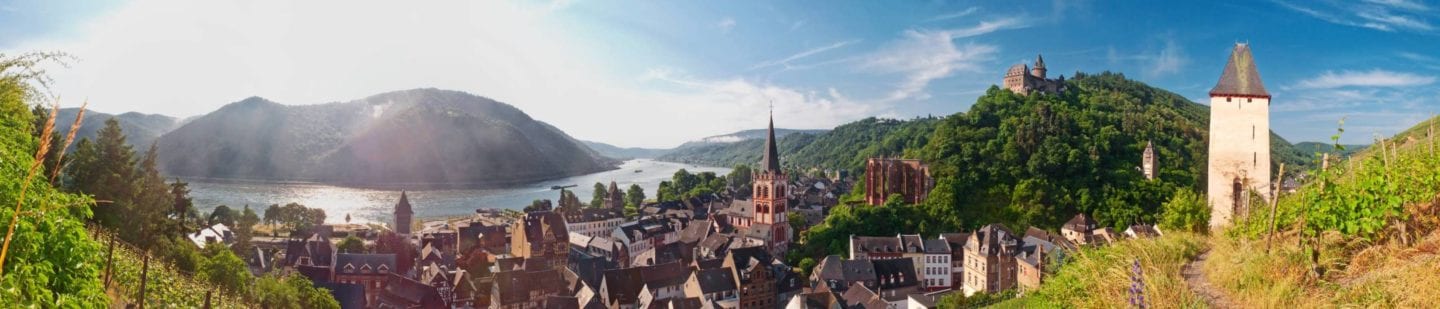
Mittelrhein is the quintessential German fairy tale region. Hillside ruins, half-timbered towns and medieval castles are dotted along the banks of the Rhine, providing an enchanting backdrop for the sloping vineyards on the water’s edge. Crisp Riesling is the star of the show, usually grown in a way that encourages noble rot to attack the grapes – a method used for making premium quality sweet wines (see How Is Sweet Wine Made for more info). Taking up nearly three quarters of the 500 hectares of vineyard in Mittelrhein, Riesling from this cool climate area has high acidity and strong floral aromas. The ability to grow grapes with such naturally high sweetness and acidity is also ideal for sparkling wine, referred to in Germany as Sekt.
The steep vineyard-covered slopes of Mittelrhein have clayish slate soils that are perfect for white grape varieties (85% of all vines are white grapes to be exact!). This breath-taking region benefits from ample sunshine and moderate temperatures, largely helped by the vast, heat-reflecting surface of the river Rhine. Early morning humidity generated from the nearby river, followed by warm, dry, sunny afternoons, provide ideal conditions in the vineyards for noble rot to attack the grapes – which, although it may not sound it, is just what you want for premium sweet Riesling.
Pinot Noir
Riesling
Moderate
Sloping sites
Clay, slate, greywacke