Pairing Wine with Poultry
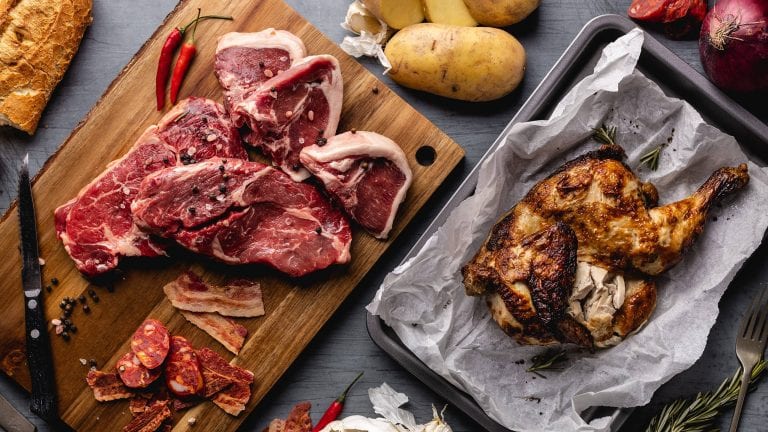
When matching wine with your food, it’s important to understand the key features of the dish in order to work out the ultimate pairing. Poultry includes some of the most popular meats consumed in the UK, and they vary considerably from dry and delicate to oily, rich and gamy. Our handy guide gives you top tips and classic recommendations to help you avoid a foul fowl-pairing!
Poultry and Wine Pairing House Rules
- Poultry meats are commonly prepared with fruit sauces or dressings, which can be the ultimate deciding factor when choosing a bottle of wine
- The fattier the meat, the more acidic the wine - clean acidity helps to cut through fattiness
- Whiter poultry like turkey and chicken typically lean towards white wines, while darker meats such as duck and goose tend to favour red wines
- Consider the flavour intensity of the entire dish - more powerful dishes need more powerful wines to stand up to it
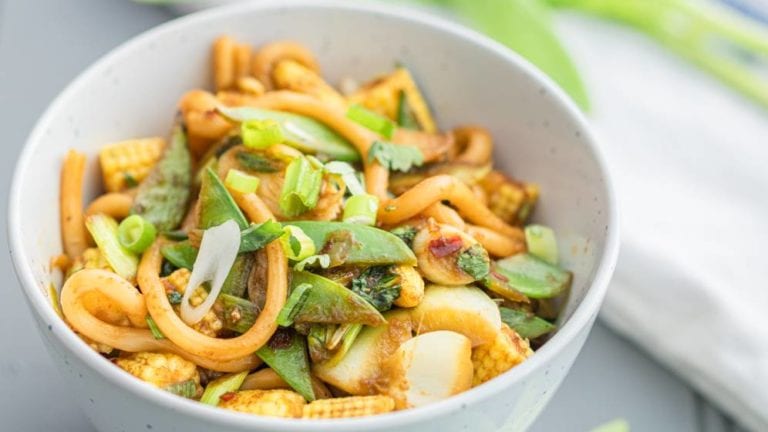
- If cooked in a spicier, Asian style, opt for a bit of sweetness in the wine to help tame the heat!
Types of Poultry

Chicken
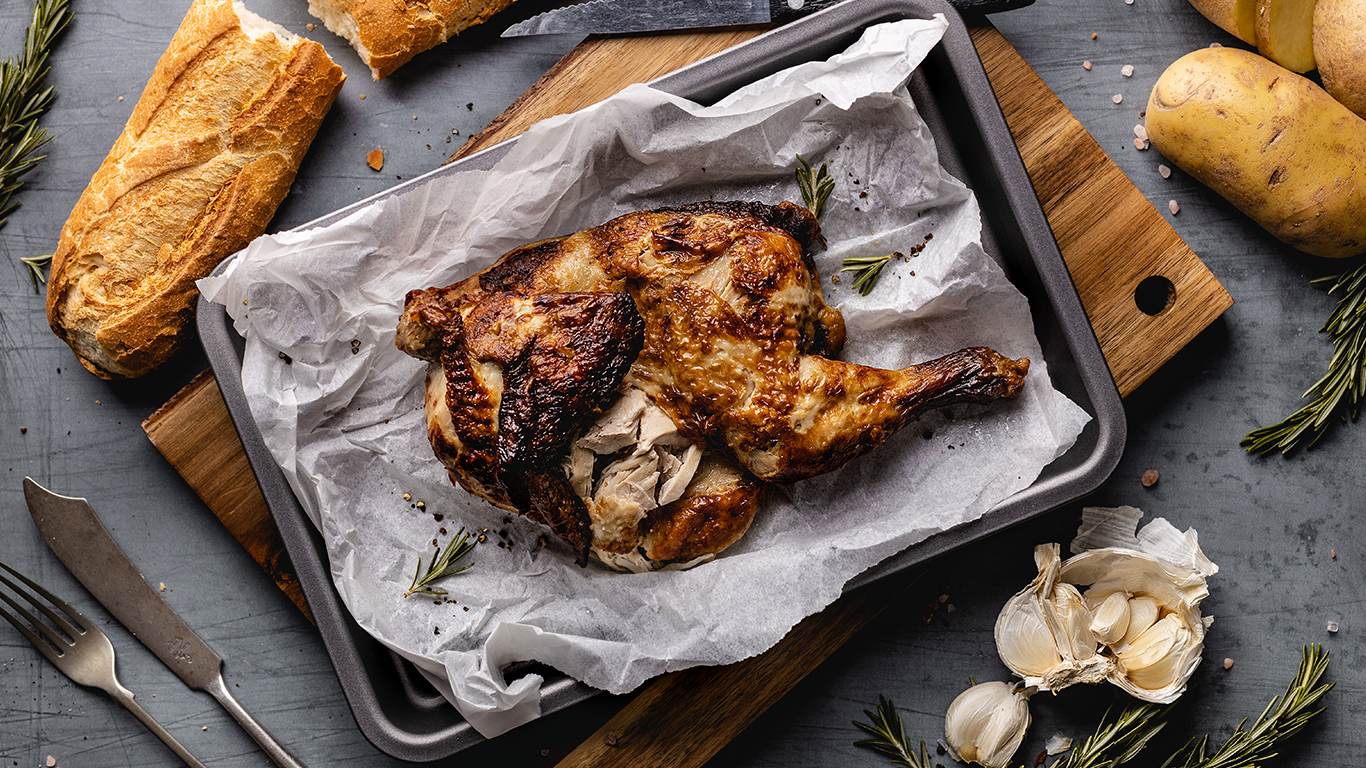
Britain’s most popular meat. Chicken is another one that’s really flexible for wine pairing due to its relatively mild flavour. It’s important to consider the flavours of the dish as a whole and the way it was prepared when choosing your poultry pairing.
Chicken and Wine Pairing House Rules
- Chicken generally pairs with white wines, although it can also pair well with red wines in a lot of cases
- Match wine and dish by their intensity of flavour
- Generally speaking, chicken is a lightly flavoured meat, so should be paired with lighter wines
Best Wines to Try with Chicken

Whites — Medium to full-bodied
Sauvignon Blanc, Pinot Grigio, Oaked Chardonnay, White Côtes du Rhône

Reds — Light to medium-bodied
Pinot Noir (Old World), Zinfandel, Grenache

Sparkling — Dry, crisp
Cava, Prosecco, Champagne
Classic Chicken and Wine Pairings
Chardonnay and Roast Chicken
Roast chicken is capable of being paired with both white and red wines, however the understandably popular option is a quality, oaked Chardonnay. When roasted, chicken gets a lovely crispy skin and tends to have a slightly smoky flavour to it, which is complemented perfectly by the smoky and toasty flavours of an oaked Chardonnay. It’s capable of cutting through the richer parts of the chicken and can stand up to any herby or citrusy flavourings you may choose to add.
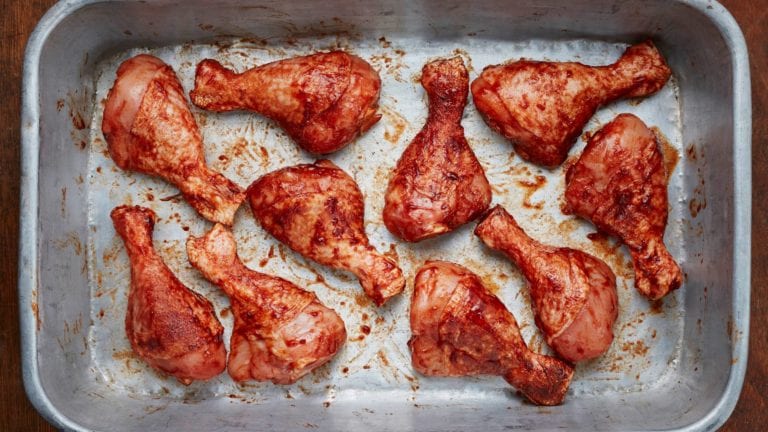
Prosecco and Fried Chicken
Fried chicken is incredibly good but it’s also quite unhealthy, with an abundance of salt, oil and fats. This makes it perfect for a sparkling pairing. Sparkling wine with its bubbles and acidity can competently cut through all the fattiness and salt, acting as a mouth cleanser as you’re eating. While Champagne and Cava are both plausible options, a dry Prosecco occupies the middle-ground for value and gives you that extra bit of sweetness to boot. Once you’ve tried sparkling with your fried chicken, you won’t look back!

Duck
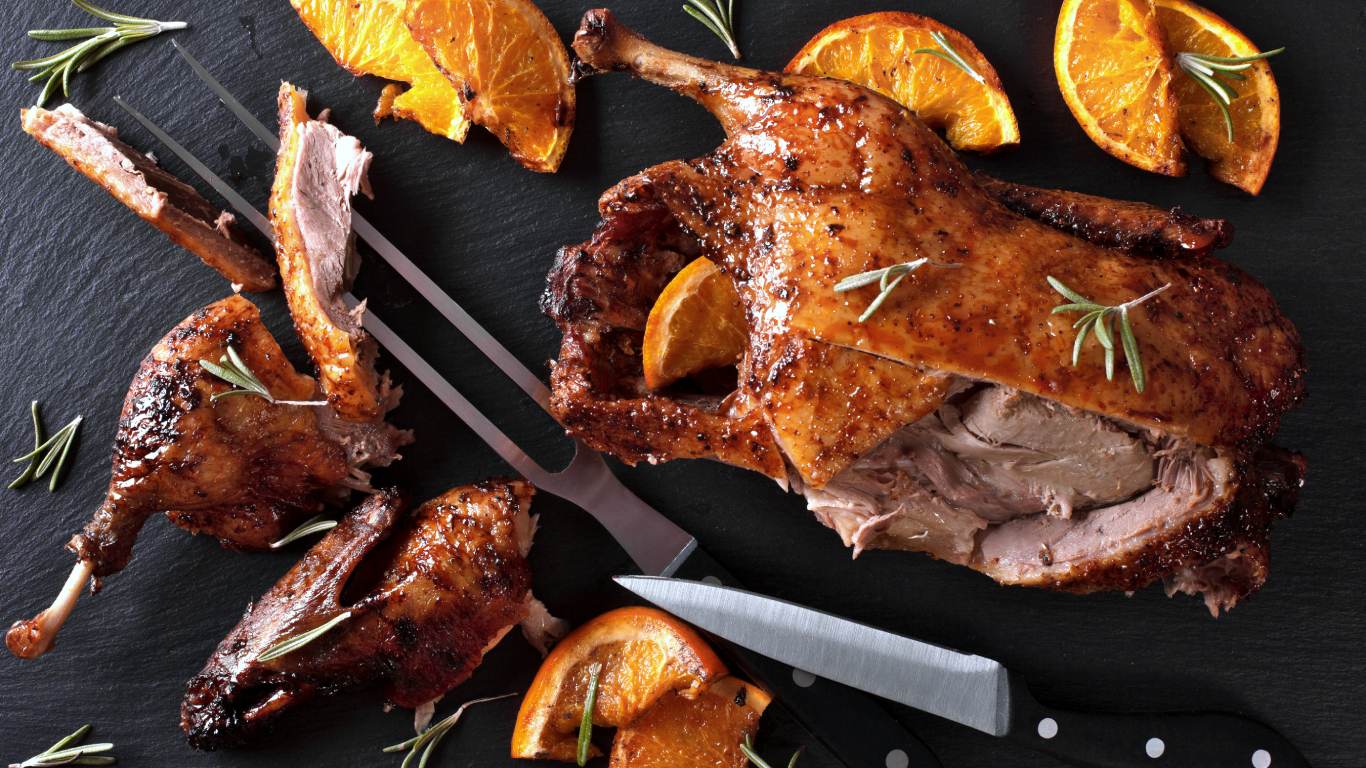
Duck is much fattier than other poultry like chicken or turkey and has a richer, gamier taste. It can be cooked in many styles and is often prepared with fruit sauces or significant herbs and seasoning. Being poultry, it takes on-board these flavours easily, therefore the way it’s cooked should be the key factor when choosing a wine pairing.
Duck and Wine Pairing House Rules
- Generally, the fattiness of duck requires wine with good acidity to cut through it
- Consider the sauce, seasoning or style in which it’s cooked
- Light reds generally are the go-to here, but some whites can work well too
Best Wines to Try with Duck
Reds — Light to medium-bodied, acidic
Pinot Noir, Gamay (Beaujolais), Barolo, Tempranillo
Whites — Light to medium-bodied, acidic, unoaked
Chardonnay, Riesling, Pinot Gris (Alsace), Gewürztraminer
Classic Duck and Wine Pairings
Pinot Noir and Duck Breast
Roast duck, while having characteristically strong gamy flavours, is also quite a tender and delicate meat. This indicates a light red would be most suitable. Then take into account the need for acidity to balance out the fatty meat, and Pinot Noir becomes a stand-out performer! Pinot Noir and roast duck is quite a typical pairing, assuming the duck isn’t cooked in any strong, fruity sauces.
Gewürztraminer and Curried Duck
A Thai red duck curry is a magnificent match for Gewürztraminer, a wine filled with inherent notes of ginger and pepper spice itself. It also carries a light sweetness, which helps to balance the hot spices you’ll find with Asian curry dishes.
Gamay (Beaujolais) and Duck à l’Orange
As the name suggests, this duck dish is particularly fruity, therefore requires a wine with a brilliantly fruity flavour profile to match up to it. Look no further than a Beaujolais to partner this dish. Beaujolais reds are made from Gamay grapes, and harbour wonderful red fruit flavours of cherry and raspberry. It also has noticeable acidity, required for cutting through the fattiness of the duck, and has low tannin as not to overpower the tender meat.
Turkey
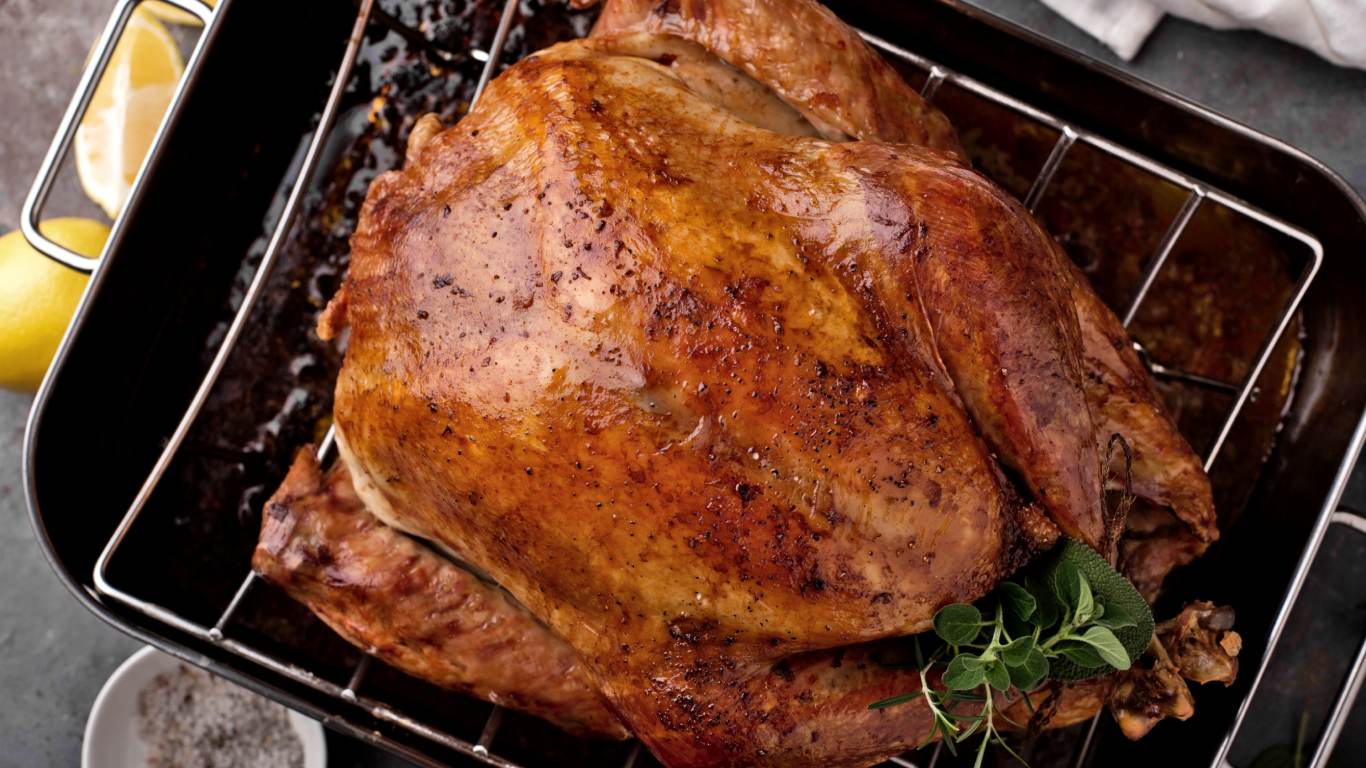
The big roasted bird served up on Christmas day! As with other poultry, this is complemented best by light reds or medium body whites. Turkey is quite a lean meat and has a tendency to lose moisture when cooked, so the end result can often be slightly drier than other meats. Having a bottle to compensate for this is key.
Turkey and Wine Pairing House Rules
- High acidity in the wine isn’t necessary, as Turkey has a relatively low fat content
- Seasoning and sauce/gravy should also help decide when choosing a bottle
- Stick to light reds or boldish whites to match the strong, earthy flavours of the meat
Best Wines to Try with Turkey
Whites — Medium-bodied
Viognier, Chardonnay, Pinot Gris
Reds — Light to medium-bodied
Gamay (Beaujolais), Pinot Noir, Carignan
Classic Turkey and Wine Pairings
Oaked Viognier and Roast Turkey
Viognier is similar to Chardonnay in weight and texture, and both make a great pairing for roasted turkey. Opt for an oaked Viognier, as it will have a rich, creamier taste that complements what’s typically quite a dry meat. It also has relatively low acidity, which suits the low fat content in turkey, and its stone fruit flavours are a delight to swirl!
Pinot Noir and Turkey Meatballs
Turkey mince has taken off as a healthier alternative to beef mince, as it’s lower in fat and has a higher protein content. Turkey meatballs in a tomato sauce simply cries out for a Pinot Noir pairing not only because it’s a light red, but because the mushroom notes of the wine are a perfect complement to the tomato meatball sauce. Enjoy!

Goose
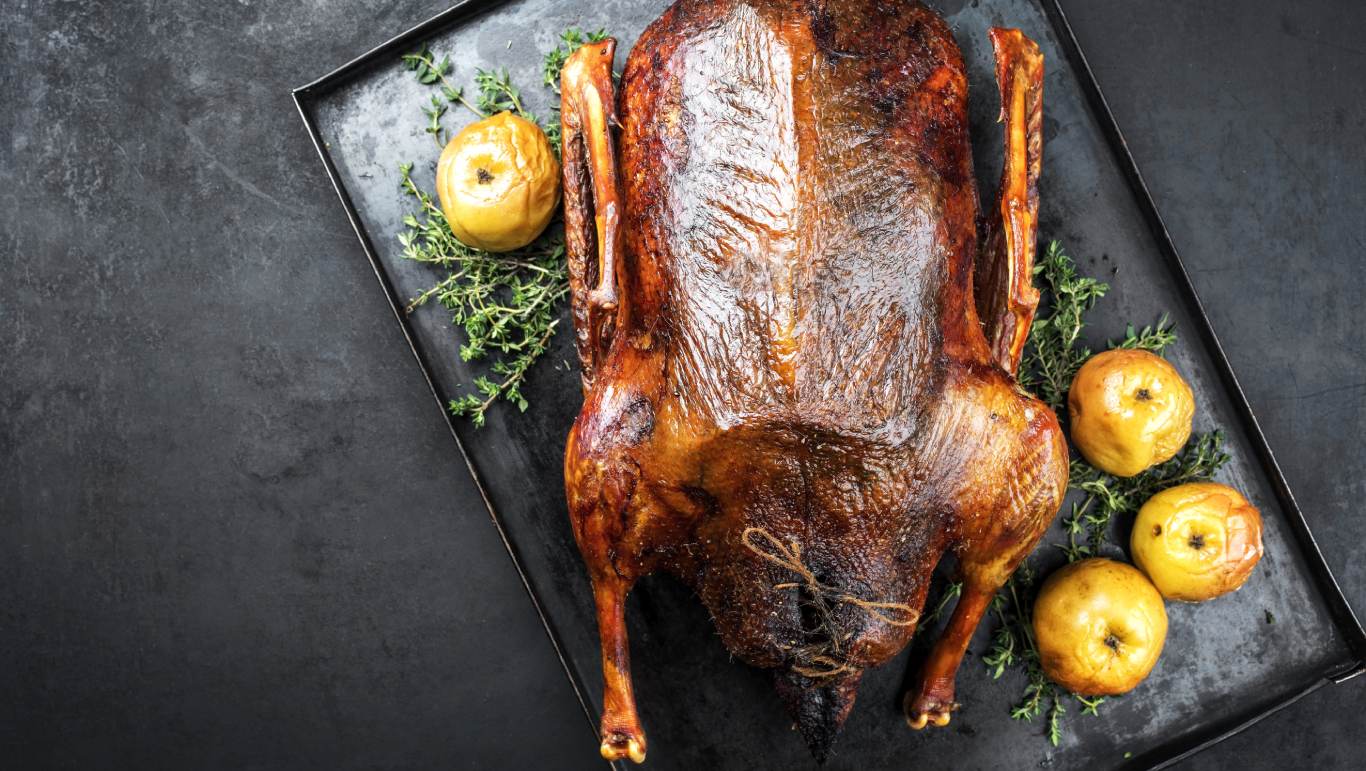
Like duck, goose tends to be quite a fatty meat and, when cooked, the fat melts and helps keep the meat moist. It’s also quite succulent and rich with a dense texture and slightly gamey flavour. Goose is often used as a traditional substitute to turkey for Christmas dinner, but with the two meats being so different, you want to make sure you switch up your wine pairings accordingly.
Goose and Wine Pairing House Rules
- Higher fat content typically requires noticeable acidity in the wine to help cut through it
- The richer, gamey flavour profile allows you to go for something slightly bolder than other types of poultry
- Take into consideration the other flavours of the dish - for example cranberry sauce will be better paired with wine containing similar red fruit flavours
Best Wines to Try with Goose
Reds — Medium or medium to full-bodied
Nebbiolo (Barolo), Gamay (Morgon Cru, Beaujolais), Barbera
Whites — Medium to full-bodied, good acidity
Riesling (Germany), Pinot Gris (Alsace), Chenin Blanc
Classic Goose and Wine Pairings
Nebbiolo (Barolo) and Roasted Goose
Many Italian reds will work well with roasted goose. Barolo reds are made from the Nebbiolo variety which, like many Italian reds, packs plentiful acidity and fruit flavours. The acidity helps to counterbalance the fattiness and oiliness of the meat. These wines can typically stand up to more powerful flavours too, so the richness of the meat and other components of the dish won’t overpower the wine.
German Riesling and Confit Goose Legs
Confit goose involves salt-curing and heavily seasoning the legs of the goose, resulting in a flavoursome, rich and fatty piece of meat with a lovely crispy skin. This requires some acidity to offset the fattiness, but nothing too sweet as to upset the saltiness. A fresh Spätlese German Riesling is a brilliant option here, with heightened aromatics to really complement the crispy legs!